









Business Operations Are Not Found in Organizational Charts, But in How Work Actually Happens
When people talk about business operations, they often think of organizational charts, departments, or how work is divided across the company. In reality, business operations are not defined by what appears on paper. They are defined by how work actually happens every day. A company may have Marketing, Sales, Operations, and Customer Service teams, but if these departments are not connected, if data does not flow across the organization, and if work still depends heavily on individual employees, the business is still operating in a fragmented way.
When business operations are not properly designed, everything behind the scenes is affected. Marketing becomes difficult to measure, Sales lacks the information needed to follow up with customers, Operations becomes slower, and leadership does not have accurate data for decision making. These issues often do not come from people. They come from the way the operating system of the business was built from the beginning.
What Are Business Operations?
In simple terms, business operations are the way processes, people, data, and technology are organized and connected to create business results. They are not only about how a company works every day. They are also about how every part of the business connects into a system that can run consistently, be measured clearly, and scale as the company grows.
Under daily activities, there are always three foundational layers: processes, data, and technology. Processes define how work is done. Data allows departments to work from the same source of information. Technology supports the entire operating system. If these three layers are not aligned, the company will continue to face operational problems no matter how modern the software is.
Signs That Business Operations Are Not Properly Designed
You do not need a complex audit to recognize operational problems. You only need to observe how work happens every day. A customer may come through multiple channels, but their information is stored in different places. A sales opportunity may be in progress, but no one knows exactly which stage it is in. Reports may still exist, but they are always behind the actual situation. If one employee leaves or is absent, the entire process may be interrupted.
These signs show that the issue is not a lack of tools. The real issue is that business operations have never been designed as one connected system, where departments work together based on a consistent flow of data and clearly defined responsibilities.
Common Mistakes When Thinking About Business Operations
One of the most common mistakes is believing that a good software system will automatically improve business operations. In reality, this rarely happens. A CRM system cannot work effectively if the sales process is unclear. An ERP system cannot optimize the business if departments continue to work separately. Even a modern BI system cannot create value if the input data is inaccurate or incomplete.
Technology cannot fix business operations on its own. It only makes existing problems more visible. If processes are not standardized and data is not consistent, investing in more software will only make the overall system more complicated.
Why Digital Transformation Must Start with Business Operations
Many organizations believe that digital transformation begins with implementing new software. In reality, business operations are the true starting point. Before investing in technology, companies need to understand how their existing system works. They need to know where customers come from, how they move through each stage of the journey, how long each process takes, and where delays or inefficiencies occur. Without this visibility, every improvement effort becomes based on assumptions rather than facts.
Once the current operating model is clearly understood, the next step is to define measurable business objectives. These should not be broad ambitions but specific performance indicators that reflect operational efficiency. The company can then redesign its processes, clarify responsibilities, and establish a consistent flow of data across departments. Only after these foundations are in place can technology deliver its full value and become a true driver of business growth.
Why Many Digital Transformation Projects Fail
One of the most common patterns in digital transformation is that companies invest in technology before understanding their own business operations. New systems are implemented, but employees continue using old methods. Data becomes incomplete, reports lose credibility, and the software is eventually blamed for poor performance.
Looking deeper, however, the software is rarely the real problem. The root cause is that business operations were never redesigned to support the new technology. Without a clear operating model, even the best digital tools cannot deliver meaningful business outcomes. Technology can accelerate a well designed system, but it cannot replace one.
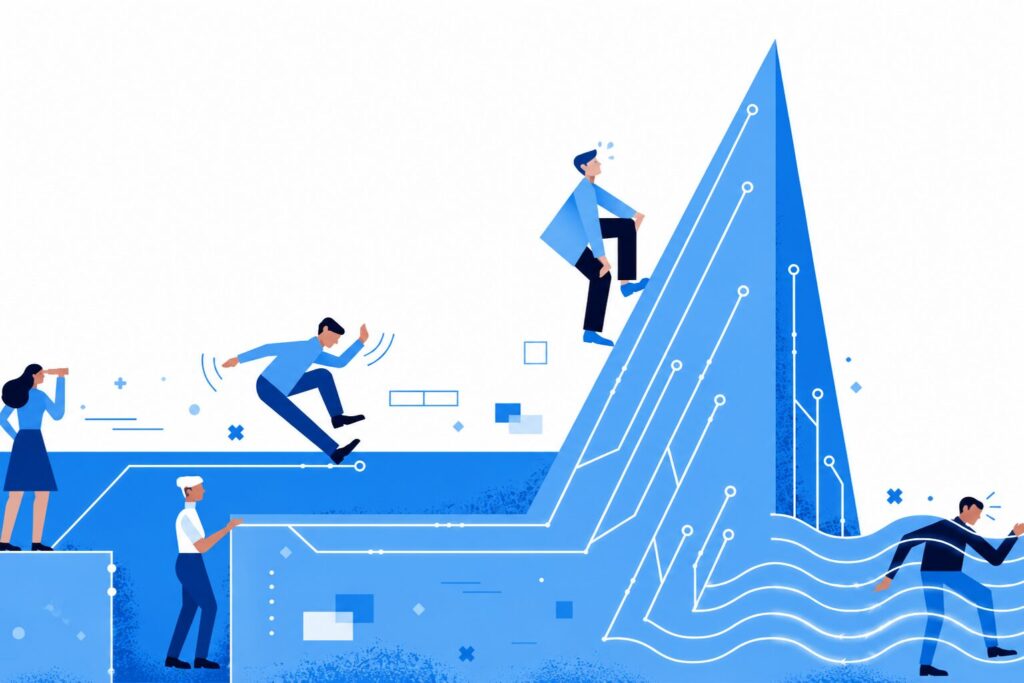
Business operations are not something companies build only after they become large. They are the foundation that determines how every part of the organization works from the very beginning. When business operations are unclear, technology often increases complexity rather than solving problems. When business operations are properly designed, however, technology becomes a strategic advantage that helps organizations improve efficiency, scale with confidence, and achieve sustainable growth.
Ultimately, the most important question is not which software your company is using. The real question is whether your business operations are structured, connected, measurable, and scalable enough to support long term growth.
If your organization is reviewing its operating model or planning a digital transformation initiative but is unsure where to begin, WBL Consulting Group can help. We start by analyzing how your business operates today, then redesign your operational framework, optimize business processes, and recommend technology that supports your long term objectives. Our goal is not simply to implement more software, but to build business operations that are clear, measurable, scalable, and ready for sustainable growth.