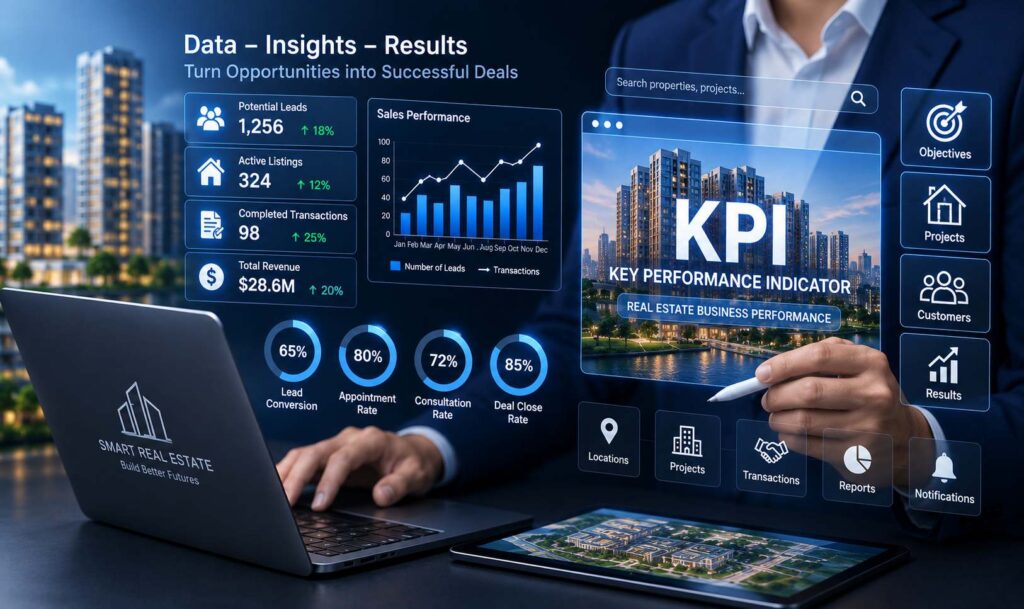











Sales management through data is not simply about having skilled salespeople. Businesses also need to know what the team is doing, where opportunities are and what is actually driving revenue. This is where Sales management through data becomes the foundation for building a sales team that can grow sustainably.

Sales Management Through Trust: When CEOs Know Employees Are Working but Not How Effective They Are
In many businesses, Sales management still relies heavily on manual reports and the trust placed in each employee. Sales reports that they have many leads, that some opportunities are being closely followed and that the chances of closing deals this month are quite good. Managers take note of this information and wait for the final results at the end of the period.
The problem only becomes apparent when revenue falls short of expectations. At this point, the business starts asking questions: How many customers are actually being followed up? Which opportunities have the highest chance of closing? Where are customers getting stuck? Are employees following up at the right time? Why were there many opportunities last month but no corresponding revenue this month?
If these questions can only be answered by asking each Sales representative or consolidating multiple Excel files, the business is managing through trust more than data.
Trust is still necessary to build a strong team. But trust cannot replace visibility. Managers need to see the actual situation to know when to provide support, when to make adjustments and whether the problem lies with people, the process or the quality of the lead source.
Sales Management Through Data Means Seeing the Entire Process, Not Just Revenue
Revenue is usually the number businesses care about most, but it only shows the final result. To manage a Sales team effectively, businesses need to look back at the process that created that result.
A good management system can help businesses track the number of leads, the number of opportunities being handled, conversion rates between stages, the time an opportunity spends at each stage and the results of each employee. When this data is placed in the same system, managers can see the bigger picture more clearly instead of simply waiting for the end of month report.
For example, a 20% decline in revenue this month does not explain the reason. But if the data shows that the number of Leads remains stable while the conversion rate from consultation to opportunity has dropped significantly, the business now has a specific signal to investigate. The problem may lie in the quality of consultation, how customer needs are identified or the follow up process rather than a lack of customers.
Sales management through data is not about monitoring employees more closely. It is about creating a more objective view of sales activities.
When the data is clear enough, managers no longer need to constantly ask, “How far along are we?” Instead, they can focus on the more important question: “What is preventing us from achieving the expected results, and what should we do next?”
A High Performing Sales Team Starts with the Ability to See Bottlenecks
A high performing Sales team is not simply a team with many skilled employees. It is a team that can maintain consistent performance, prioritize the right opportunities and follow a clear enough process so that results do not depend entirely on individual experience.
Data helps businesses identify these bottlenecks.
If one employee has a large number of Leads but a low conversion rate, the issue may lie in qualification or consultation. If the number of good opportunities is high but closing times are getting longer, the business needs to review the follow up process and the customer’s decision making stages. If one employee consistently delivers better results than the rest of the team, data can also help the business understand how they are working and turn those practices into a common approach for the entire team.
This creates an important change in the way Sales is managed. Instead of evaluating Sales mainly based on perception or end of period results, businesses can look at the behaviors that create those results.
A Sales representative with high revenue but many missed opportunities still has areas to improve. Another Sales representative who has not reached the expected revenue but has a good conversion rate and a consistent working process may simply need a more suitable source of Leads. These two cases should not be managed in the same way.
CRM Turns Sales Data into a Management Tool
To practice Sales management through data, businesses do not necessarily need to start with a complex system. The first important step is to determine what the business actually needs to see in its sales activities.
CRM can become a centralized place for customer information, opportunities, interaction history and next steps throughout the sales process. When each opportunity is updated according to a standardized process, data no longer remains scattered across messages, emails or personal files belonging to individual employees.
From there, managers can track the sales funnel, the performance of each employee and the opportunities that need to be handled. Sales also knows clearly what needs to be done next instead of having to remember every customer they are responsible for.
However, CRM only creates value when the team uses it correctly. If a business puts data into the system without having an update process, common standards or a clear measurement approach, CRM can simply become another place to store information.
Therefore, Sales management through data starts with the process, and only then comes the tool. Technology helps businesses see data faster, but the way the business organizes and uses that data determines the quality of management.
From “What Is Sales Doing?” to “What Does Sales Need to Do Next?”

The biggest difference between managing through trust and managing through data is not how many additional reports the business has. It lies in the quality of the decisions made after seeing the data.
When the data is clear enough, managers can identify which employees need support, which opportunities should be prioritized, which stages have high drop off rates and which lead sources are generating good results. Sales meetings can also shift from simply providing updates to focusing on solving problems.
That is the ultimate goal of Sales management through data: not to turn Sales into a team that has to report more, but to help them work with greater focus, prioritize the right opportunities and improve results based on what is actually happening.
At WBL Group, when consulting on and implementing CRM, we focus on helping businesses connect the sales process, data and team management. Because a good system should not only tell businesses how many Leads they have, but also help managers understand what is happening in the funnel and what action needs to be taken next.
A high performing Sales team is not built through experience or trust alone. When human experience is combined with the right data and a clear process, businesses can turn Sales from an activity that depends on individuals into a capability that can be measured, improved and scaled.